도구를 만든 다음, 쓰이게 하는 제도가 필요합니다
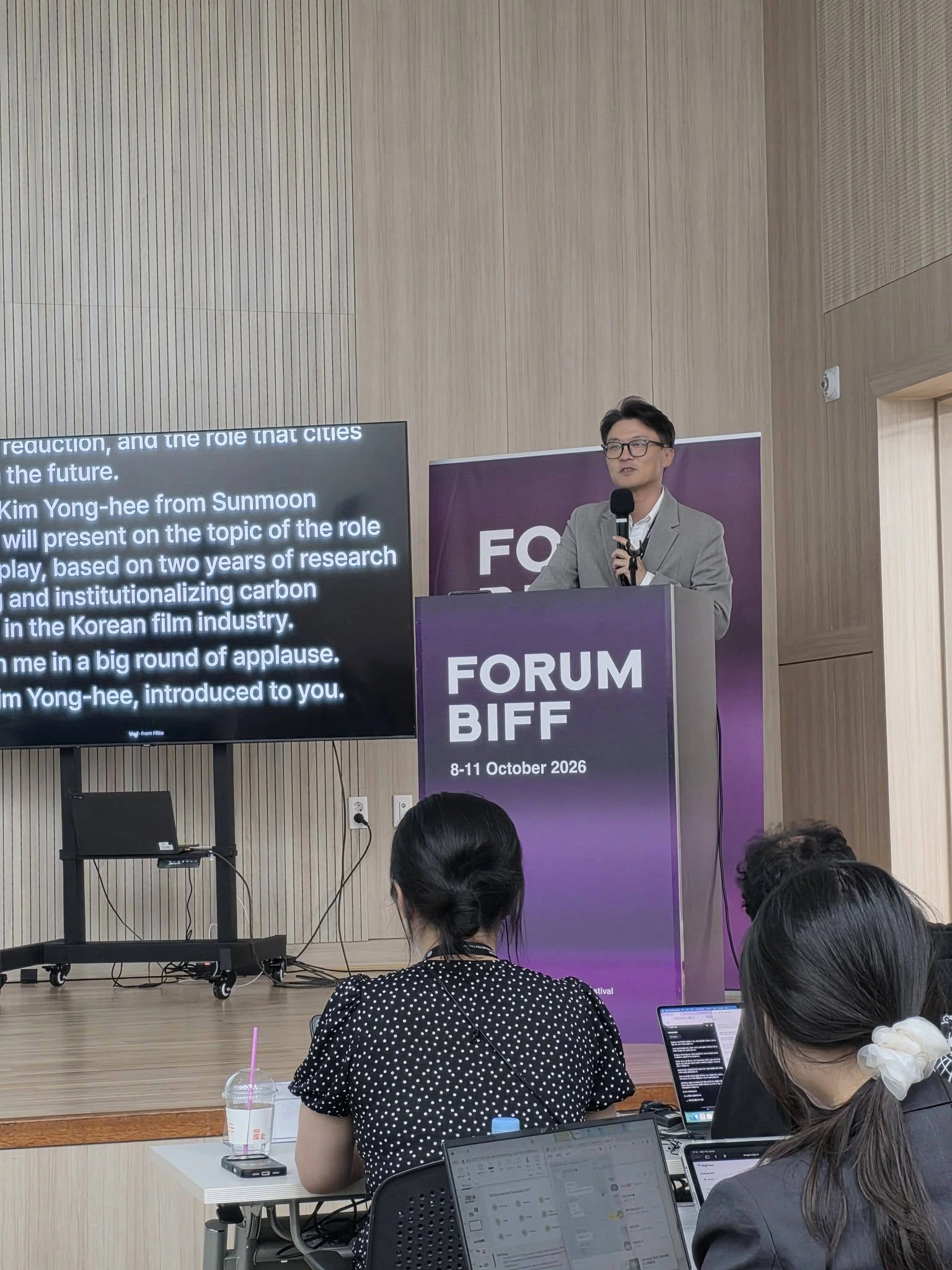
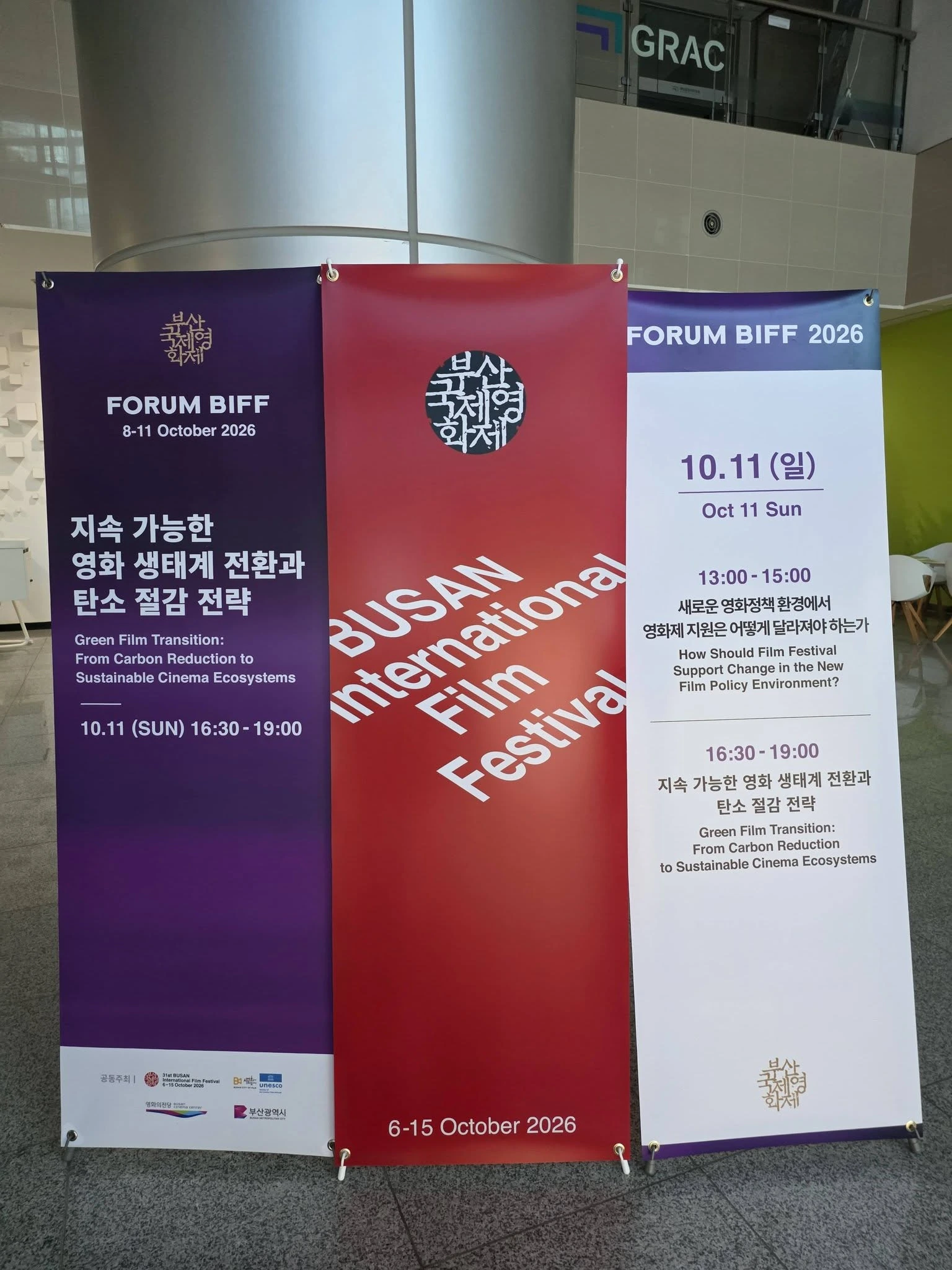
2026년 10월 11일, 영상산업센터 11층 컨퍼런스홀에서 열린 유네스코 영화 창의도시 부산 국제포럼에서 국내 사례를 발표하고 패널토론의 사회를 맡았습니다. 포럼비프의 ‘지속 가능한 영화 생태계 전환과 탄소 절감 전략’ 세션입니다. 발표 제목은 「측정에서 제도로—한국 영화산업 탄소 실측 2년, 도시가 할 수 있는 일」이었습니다.
발표의 중심에는 한 가지 진단이 있습니다. 계산기와 가이드라인이 늘어나는 동안, 자료를 제출받고 심사에 연결하며 검증하고 계수를 갱신하는 실행 구조는 충분히 연결되지 않았다는 것입니다. 그래서 측정 결과의 크기와 함께, 누가 어떤 조건으로 그 도구를 계속 쓰게 만들 것인가를 물었습니다.
무엇을 측정했는가: 제작 5편과 상영관 9곳
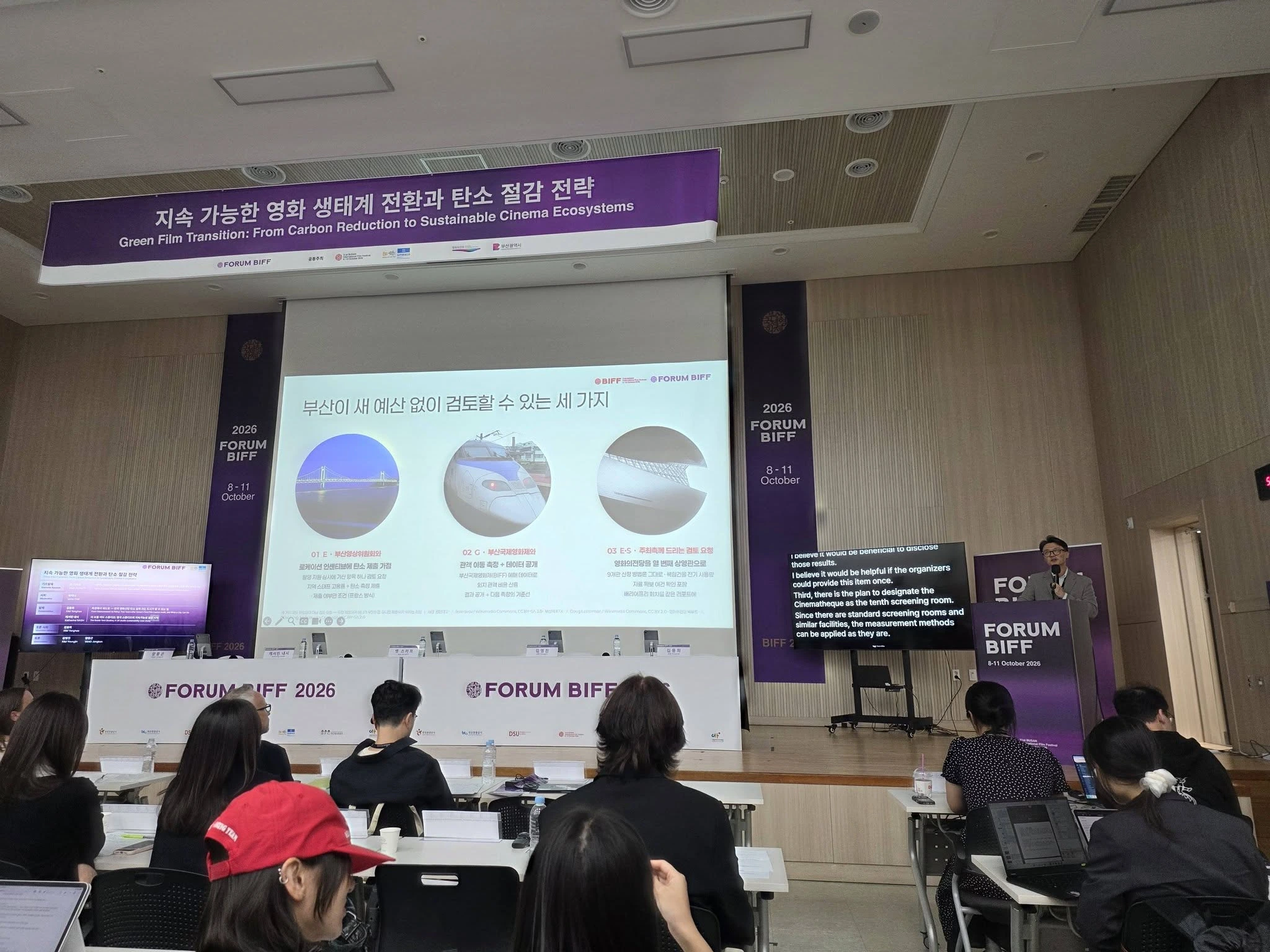
출발점은 2024년 1월 영화진흥위원회 정책연구입니다. 제작 계산기와 상영 계산기를 만들고 상업영화 1편·독립장편 4편, 상영관 9곳의 자료를 적용했습니다. 이때 ‘실측’은 계측기를 모든 현장에 설치했다는 뜻이 아닙니다. 완성작의 정산자료, 상영관의 월별 고지서와 판매기록을 활동자료로 삼아 배출계수와 연결한 산정입니다.
| 제작 사례 | 보고 배출량 kgCO2eq |
|---|---|
| 상업영화 1 | 286,735 |
| 독립장편 1 | 27,386 |
| 독립장편 2 | 13,625 |
| 독립장편 3 | 10,591 |
| 독립장편 4 | 23,929 |
상업영화 한 편이 다섯 편 합계의 약 79%를 차지했습니다. 이 분포는 작품 규모와 작업 방식의 차이가 크다는 점을 보여줍니다. 다섯 편을 한국 영화 전체의 평균으로 확장할 수는 없습니다. 상영관에서도 관객 이동은 미측정이었고, 일부 시설의 전기 사용량과 후반작업 자료가 확보되지 않았습니다. 빈 항목을 0으로 읽으면 실제 범위를 잘못 이해하게 됩니다.
핵심 관찰: 탄소는 사람과 장소의 문제이기도 합니다
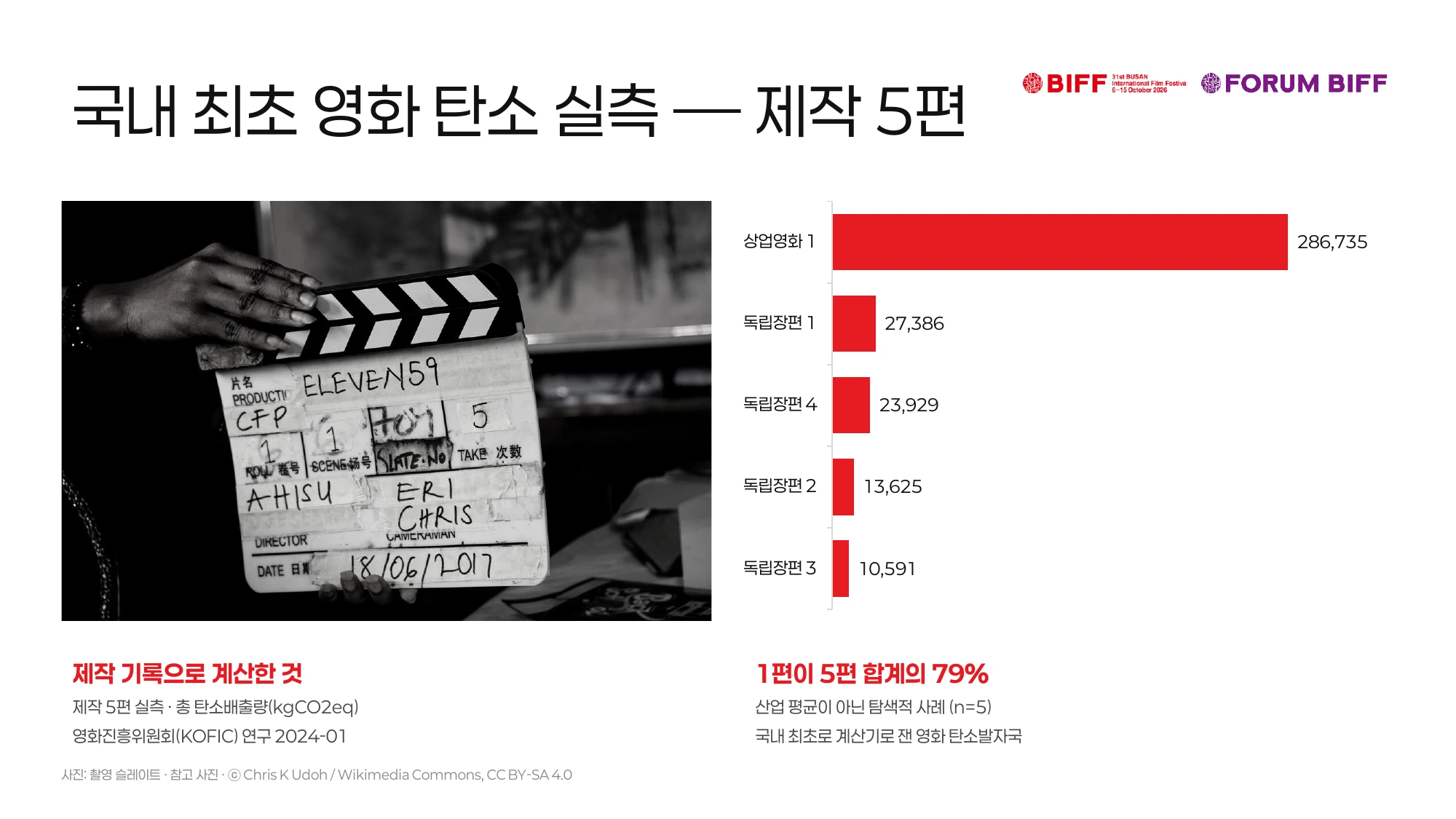
상업영화 사례에서 이동수단은 180,112 kgCO2eq, 보고 총량의 약 63%였습니다. 음식은 약 27%, 숙박은 약 9%, 전기·폐기물은 약 0.5%였습니다. 비율은 반올림한 값이며, 미측정 항목은 합계 밖에 있습니다. 원 보고서는 촬영의 절반 이상이 지방에서 진행된 점과 높은 이동 비중을 연결해 해석했습니다.
여기서 지역 스태프와 장비를 활용하면 이동을 줄일 수 있지 않을까라는 정책 가설을 제시했습니다. 이동 배출의 크기는 산정 결과이고, 지역 고용의 감축 효과는 추가 검증할 가설입니다. 두 가지를 구분해야 지역 고용 지원을 탄소감축의 확정 성과로 미리 계산하지 않게 됩니다.
계수의 갱신도 중요합니다. 제작 계산기는 258개, 상영 계산기는 23개 지표를 사용했습니다. 발표에서 제시한 ‘국내 출처 84%’는 계수 출처에 해당하는 지표 수의 비율이며 전체 배출량의 84%가 국내 계수로 계산됐다는 뜻은 아닙니다. 숙박과 일부 음식에는 해외 값을 참조했고, 철도·항공 일부 지표에는 오래된 계수가 남았습니다. 도구를 공개한 뒤 누가 계수를 갱신할지도 제도의 일부로 봐야 합니다.
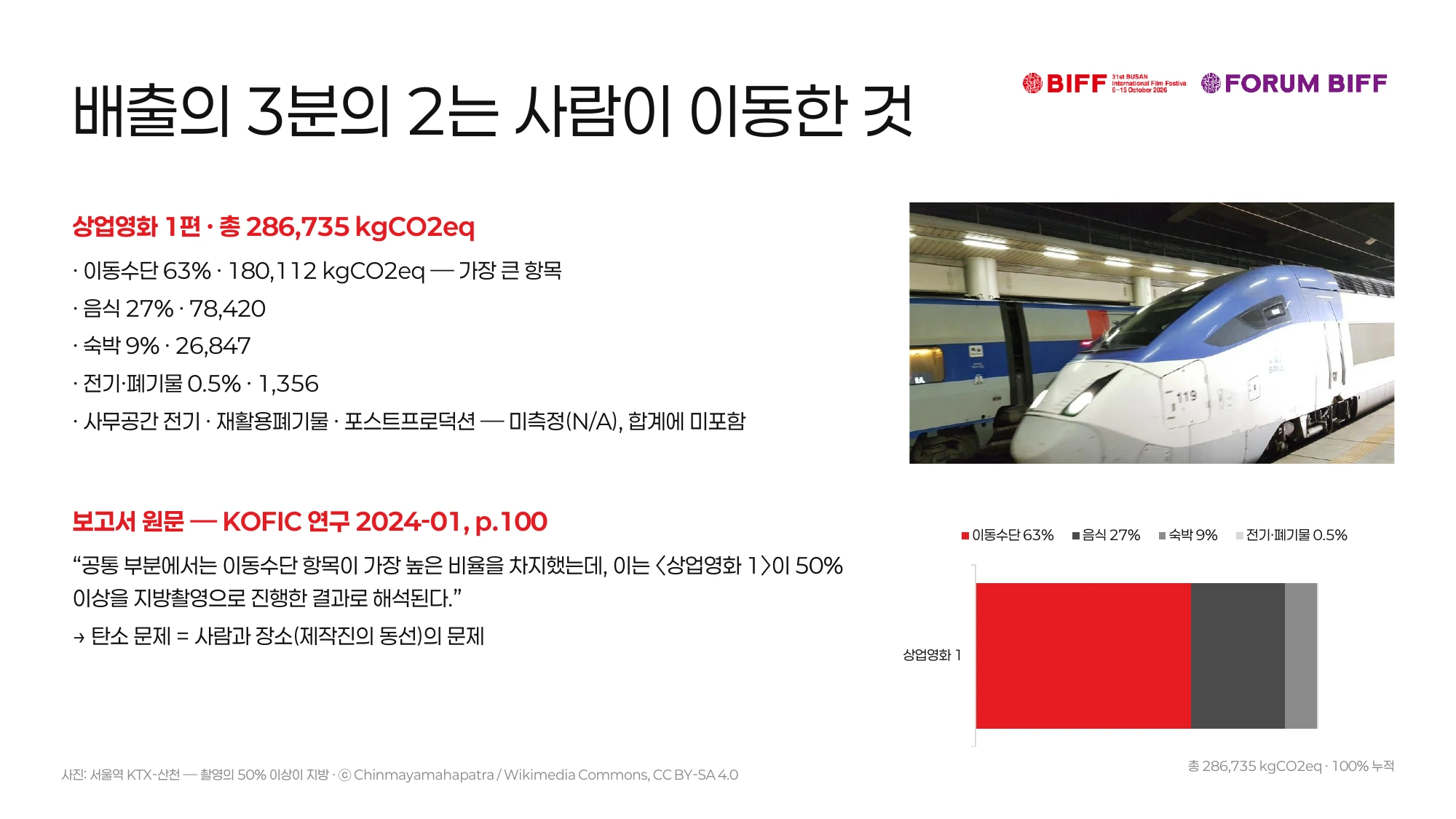
도구·제출·심사·검증·갱신, 다섯 칸의 연결
발표에서는 실행 구조를 다음처럼 나눴습니다.
| 연결 고리 | 발표에서 짚은 과제 |
|---|---|
| 도구 | 공개 계산기와 가이드라인의 활용 가능성 |
| 제출 | 지원을 받는 제작이 어떤 범위의 기록을 언제 내는가 |
| 심사 | 제출 여부와 지원 조건을 어떤 방식으로 연결하는가 |
| 검증 | 입력 자료와 산정 결과의 신뢰성을 누가 확인하는가 |
| 갱신 | 계수·경계·서식을 누가 계속 관리하는가 |
해외 사례를 살핀 이유도 여기에 있습니다. 발표는 프랑스 지원기관의 제출 조건과 영국 구매자의 인증 요구를 비교하면서, 한국에서는 도시가 먼저 실행의 창구를 시험할 수 있는지 질문했습니다. 이는 2026년 10월 발표 당시의 자료 검토와 정책 제안입니다.
부산에 제안한 세 가지 실행 과제
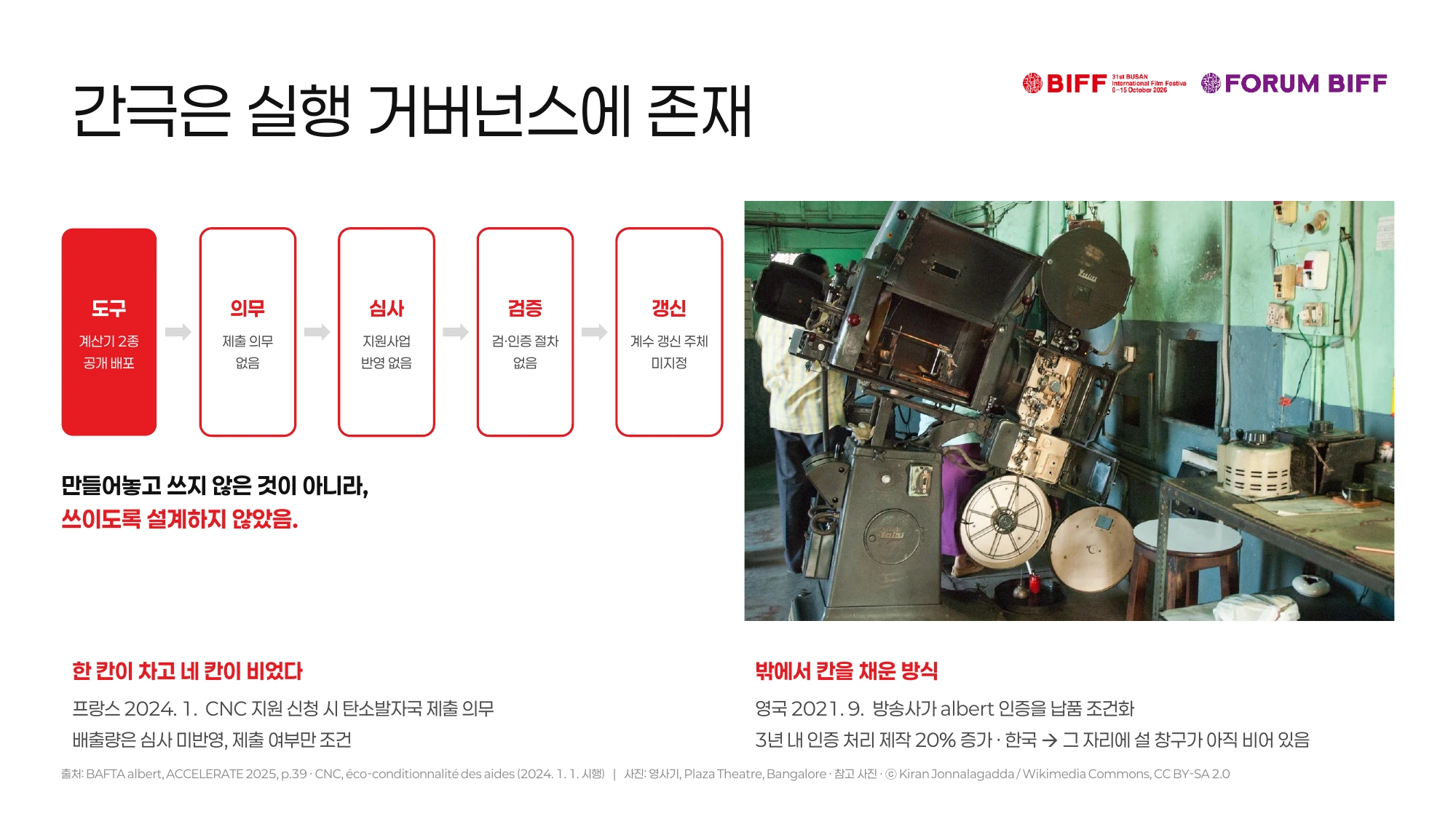
첫째, 로케이션 인센티브와 탄소 기록을 연결하는 시범사업입니다. 지역 스태프 고용률과 탄소 산정자료 제출을 지원 심사에서 함께 살펴보자는 제안입니다. 바로 배출량의 높고 낮음으로 지원을 배제하기보다, 기록을 제출하는 과정과 참여 유인을 먼저 설계하는 방향입니다. 발표에서는 기존 조례와 연도별 공고·교부조건을 잇는 가능성을 검토했습니다.
둘째, BIFF 관객 이동을 측정하고 기준선을 남기는 일입니다. 예매자료 등에서 외지 관객의 비율과 출발지 정보를 활용할 수 있는지 검토하고, 이동의 경계를 정해 다음 측정과 비교할 자료를 축적하자는 제안입니다. 단순히 관객 수에 임의의 배출계수를 곱해 영화제 전체 배출량으로 부르자는 뜻은 아닙니다.
셋째, 영화의전당을 새로운 상영시설 사례로 측정하는 일입니다. 기존 9개관의 방법을 바탕으로 복합건물의 전기 사용량을 구분할 수 있는지 확인하고, 배리어프리 상영 회차 같은 접근권 지표도 같은 기록에 담자는 제안입니다. 환경과 문화 접근성을 함께 살피려면 시설과 관객의 실제 자료가 필요합니다.
세 과제는 확정된 사업이나 달성한 성과가 아니라, 부산의 기관들이 검토할 수 있도록 제시한 실행안입니다.

사회자로서 연결한 질문: 도시의 권한과 현장의 부담
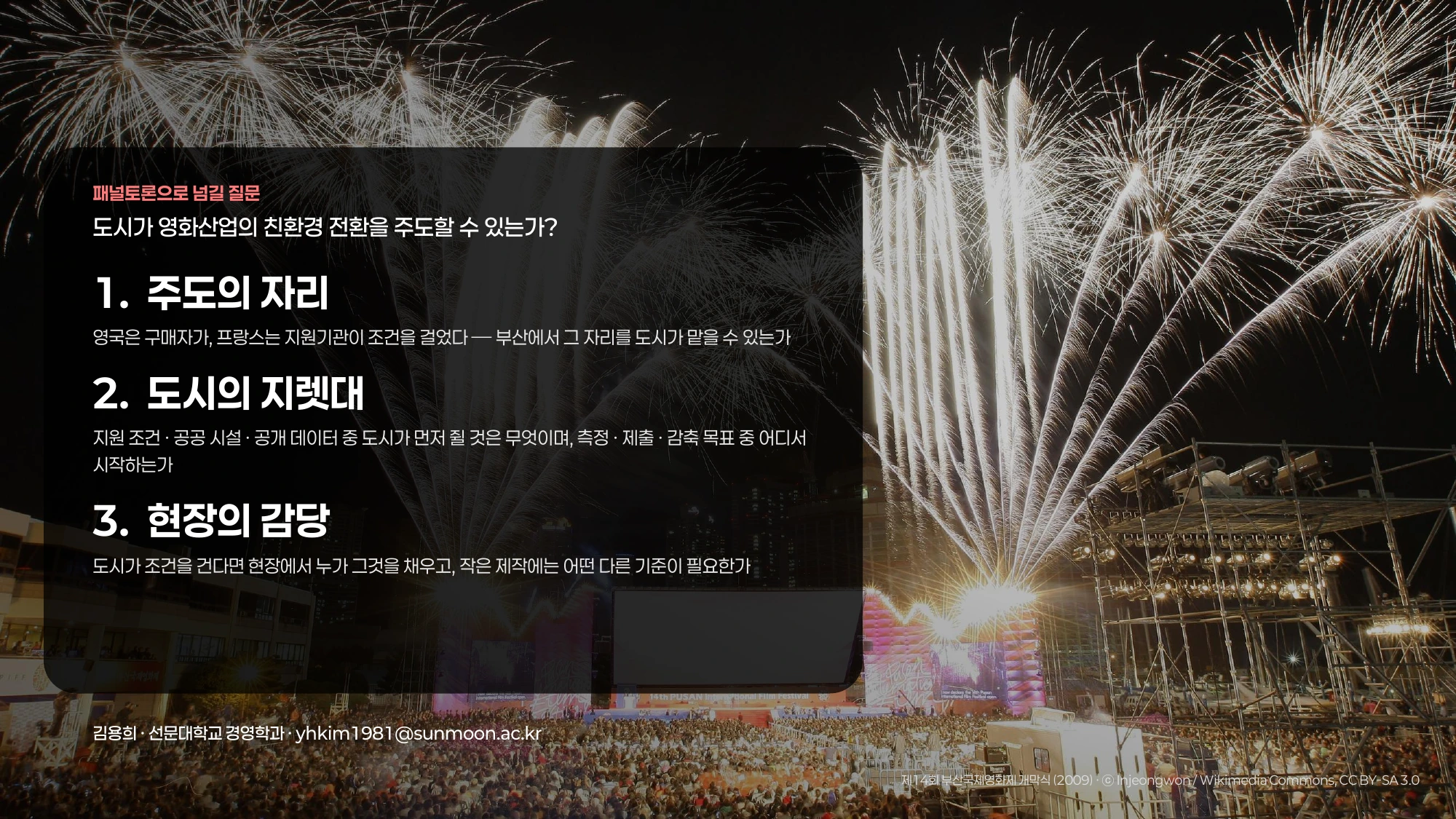
발표 말미에 패널토론으로 넘긴 질문은 세 가지였습니다.
- 누가 주도하는가. 구매자나 지원기관이 조건을 만드는 방식에서, 도시는 어떤 역할을 맡을 수 있는가.
- 도시가 먼저 쥘 지렛대는 무엇인가. 지원 조건, 공공시설, 공개 데이터 가운데 어디서 출발하고 측정·제출·감축 목표를 어떤 순서로 연결할 것인가.
- 현장은 무엇을 감당해야 하는가. 기록을 채우는 담당자와 비용은 누구의 몫이며, 규모가 작은 제작에는 어떤 지원과 다른 기준이 필요한가.
좌장 준비에서는 영국의 인증 운영, 브리스톨의 시설 경험, 부산의 촬영 지원과 제작 현장을 연결하도록 질문을 구성했습니다. 제출 서류가 늘어날 때 현장의 부담을 함께 묻고, 기관의 실행 권한과 제작사의 준비를 같은 테이블에 놓으려는 취지였습니다. 아래 자료는 질문의 구성이며 패널 전원의 답변이나 합의문을 대신하는 기록은 아닙니다.
국제 협력과 접근권까지 이어지는 과제
국제 비교를 하려면 산정 결과의 크기보다 계수의 출처와 측정 경계를 먼저 맞춰야 합니다. 부산과 브리스톨의 시설을 공통 프로토콜로 측정해 보는 비교 파일럿을 제안한 이유입니다. 서로 다른 기능의 시설을 단순 순위로 세우기보다, 어디까지 측정했는지를 설명할 수 있어야 합니다.
지속가능성의 범위에는 성평등·포용·근로환경·문화 접근권도 포함됩니다. 배리어프리 상영 회차와 관객의 출발지 자료를 탄소 기록과 나란히 보는 제안은, 환경 정책과 지역의 영화 향유 여건을 같은 운영 자료에서 함께 살펴보자는 의미입니다.
현장 사진 더 보기
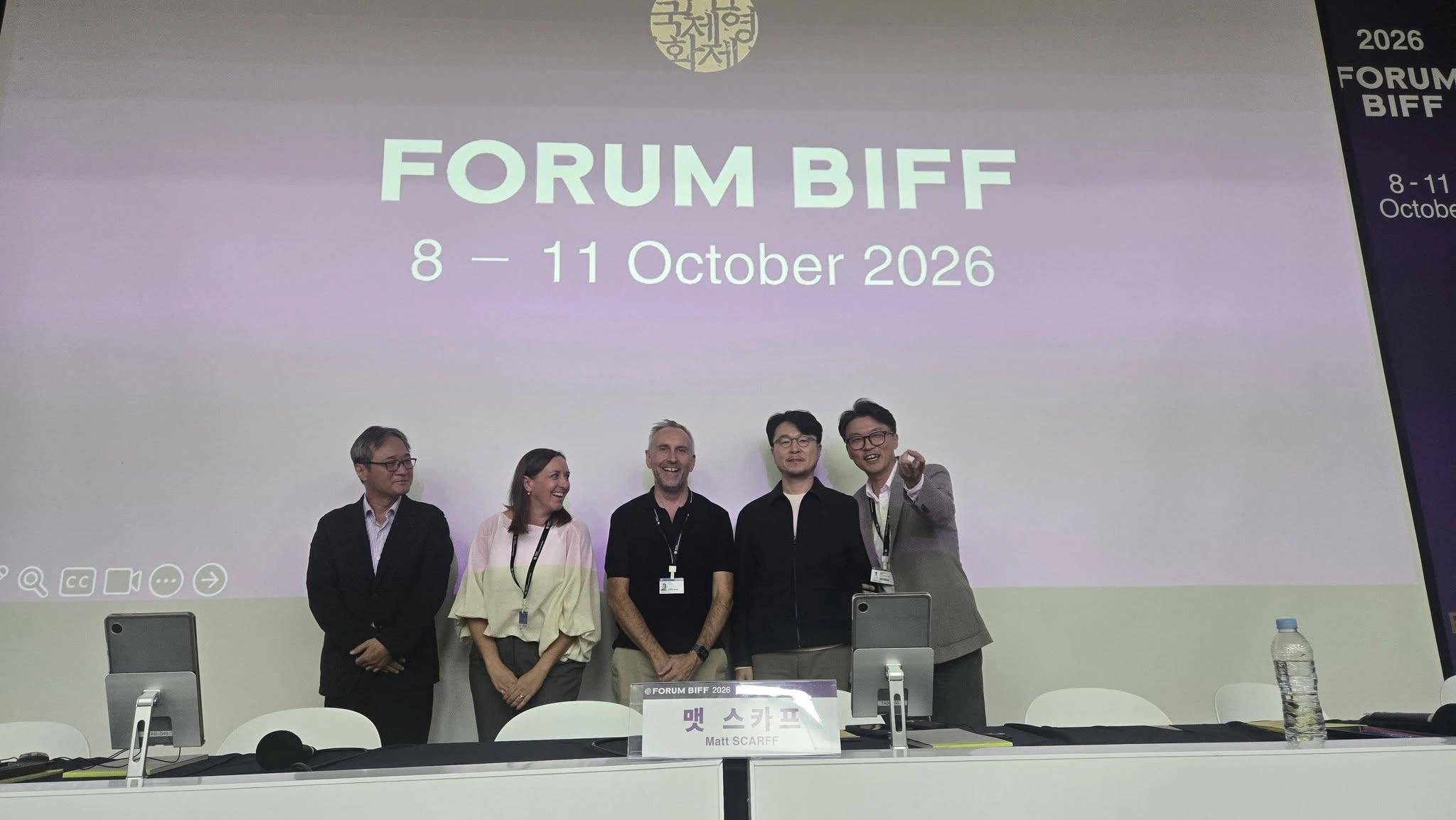
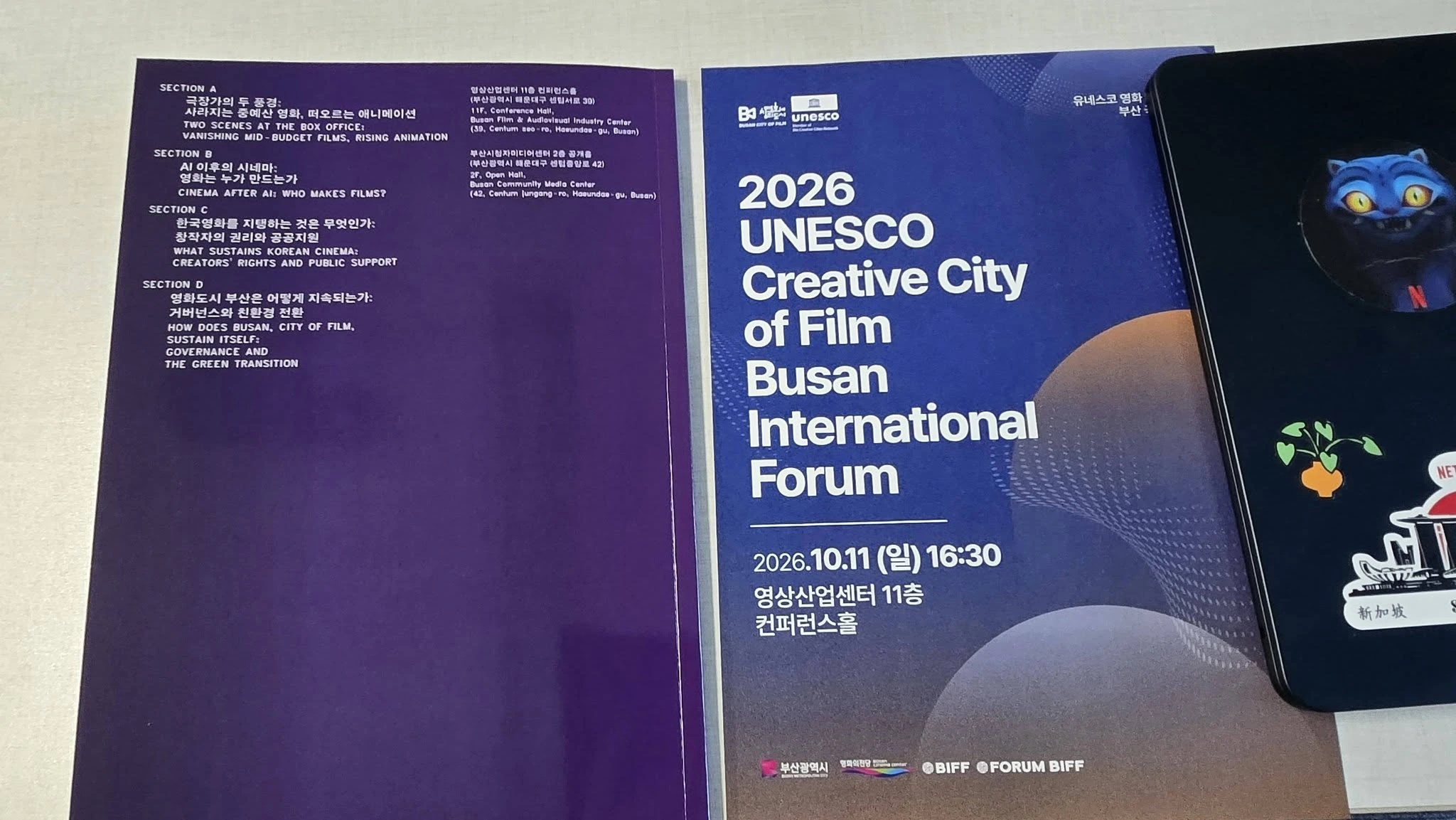
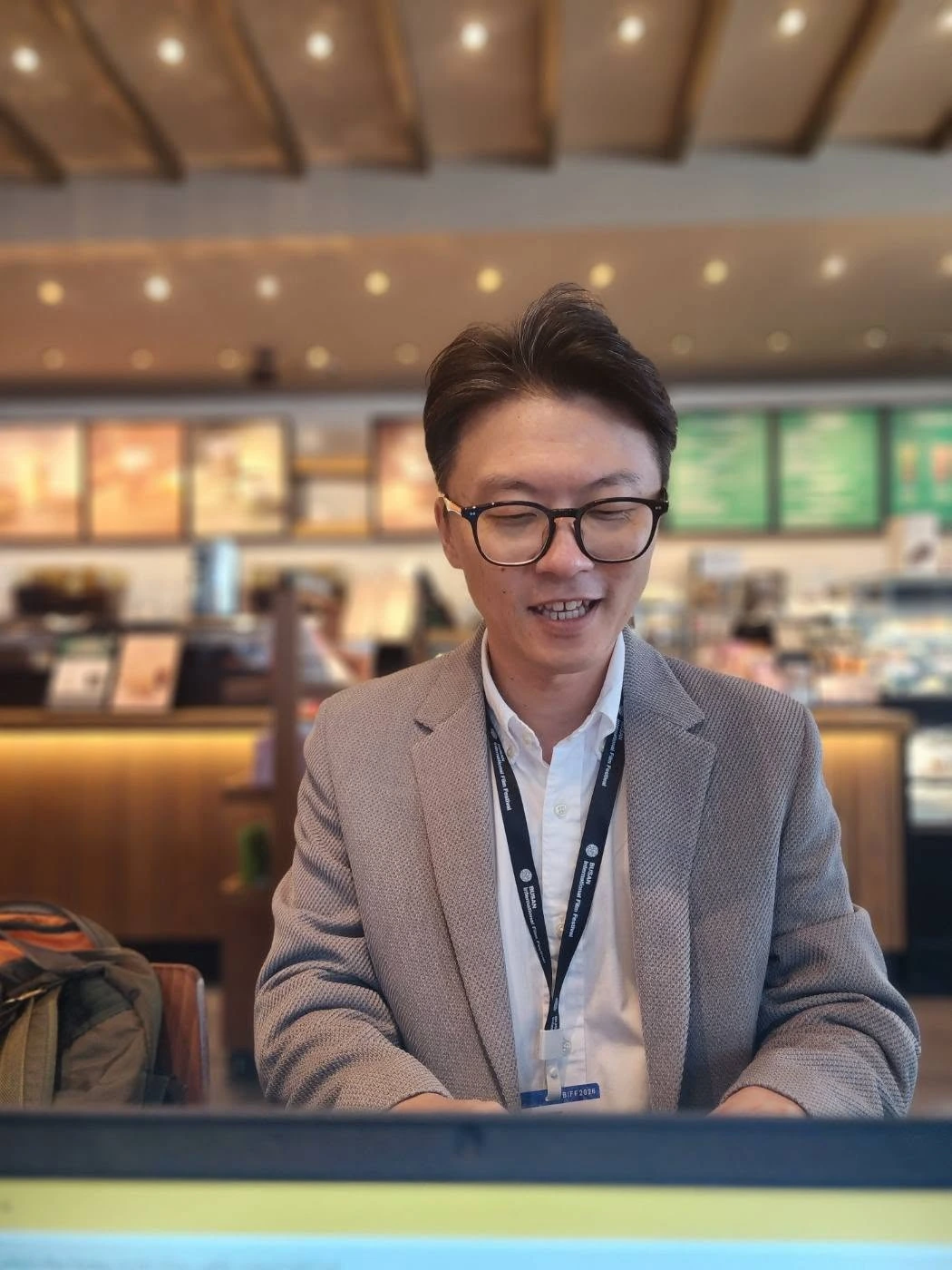
발표자료와 관련 연구
본문의 수치와 제안은 당시 19쪽 발표자료와 발표 원고를 바탕으로 정리했습니다. 발표·현장 사진에는 개별 설명을 붙였으며 클릭하면 확대할 수 있습니다.
Measurement tools need an institutional route into practice
On 11 October 2026, I presented the Korean case study and moderated the panel at the UNESCO City of Film Busan International Forum, held in the Visual Industry Center’s 11th-floor conference hall as part of Forum BIFF. The presentation was “From measurement to institutions: two years of film-carbon measurement in Korea and what a city can do.”
My central diagnosis concerned the links between tools, submission, assessment, verification and updating. Calculators and guidance had multiplied; the practical arrangements that would make people use and maintain them needed attention.
What was measured: five films and nine cinemas
The starting point was the KOFIC study published in January 2024. We developed production and exhibition calculators and applied them to one commercial film, four independent features and nine cinema sites. Measurement here means inventories calculated from production accounts, utility bills and sales records, rather than sensors installed throughout every activity.
| Film case | Reported emissions, kgCO2eq |
|---|---|
| Commercial 1 | 286,735 |
| Independent 1 | 27,386 |
| Independent 2 | 13,625 |
| Independent 3 | 10,591 |
| Independent 4 | 23,929 |
One film accounts for approximately 79% of the five-film total. These are exploratory cases, not a Korean industry average. Audience travel was unmeasured, while electricity records for some sites and parts of post-production were unavailable. Missing entries must not be treated as zero.
A central observation: people, locations and travel
In the commercial-film case, travel contributed 180,112 kgCO2eq, approximately 63% of the reported total. Food accounted for about 27%, accommodation 9%, and electricity and waste 0.5%. Rounded shares need not sum to 100%; unmeasured items remain outside the inventory. The source report connected the travel pattern with filming more than half the production outside the capital.
This motivates a policy hypothesis: could hiring local staff and using local resources reduce travel? The inventory measures travel emissions; the reduction attributable to local hiring still requires testing.
Updating factors is another practical task. The production and exhibition tools contained 258 and 23 indicators respectively. The presentation’s 84% domestic-source figure describes the count of indicators by factor source, not the share of emissions. Some accommodation and food inputs relied on foreign references, while some transport indicators used older factors. Responsibility for maintaining them belongs in the institutional design.
Five connected parts of implementation
| Link | Practical question |
|---|---|
| Tools | Which calculators and guidance can practitioners use? |
| Submission | What records are submitted, by whom and when? |
| Assessment | How does submission relate to support conditions? |
| Verification | Who checks records and calculations? |
| Updating | Who maintains factors, boundaries and forms? |
The presentation compared French support-agency submission requirements with certification requested by British purchasers. It asked whether a city could provide an initial implementation route in Korea. This records the presentation’s October 2026 assessment and proposals.
Three proposals for Busan
Connect location incentives with carbon records. A pilot could consider local-staff hiring and submission of an emissions inventory within support assessment. The starting point is recording and participation incentives, with attention to existing ordinances and annual grant conditions.
Measure BIFF audience travel and publish a baseline. Ticketing and origin information could help define travel boundaries and a comparable record. Attendance multiplied by an arbitrary factor would not provide a complete festival footprint.
Add a pilot at the Busan Cinema Center. Applying the earlier cinema methodology requires checking whether electricity in a mixed-use building can be allocated. The same operational record could include accessible-screening sessions and related access indicators.
These were proposals for consideration, rather than approved projects or achieved reductions.
Questions linking the presentation to the panel
The final slide framed three questions:
- Who leads? What role can a city assume alongside purchasers and support agencies?
- What leverage comes first? Support conditions, public facilities or open data—and in what sequence should measurement, submission and reduction targets develop?
- Who carries the workload? Who completes records, who funds that work and what different support do smaller productions need?
Moderator preparation connected certification practice, Bristol’s facilities, Busan’s location support and production work. The aim was to place institutional authority and the practical burden of recording within the same discussion. This reconstructs the questions, not a transcript of every panel answer or a negotiated agreement.
International cooperation and access
Comparable results require aligned factors and boundaries. A shared-protocol pilot between facilities in Busan and Bristol was proposed to clarify those boundaries, rather than rank facilities with different functions.
Sustainability also concerns inclusion, working conditions and cultural access. Recording accessible screenings and audience origins alongside emissions can connect environmental management with the conditions under which local audiences experience cinema.
More photographs from the event
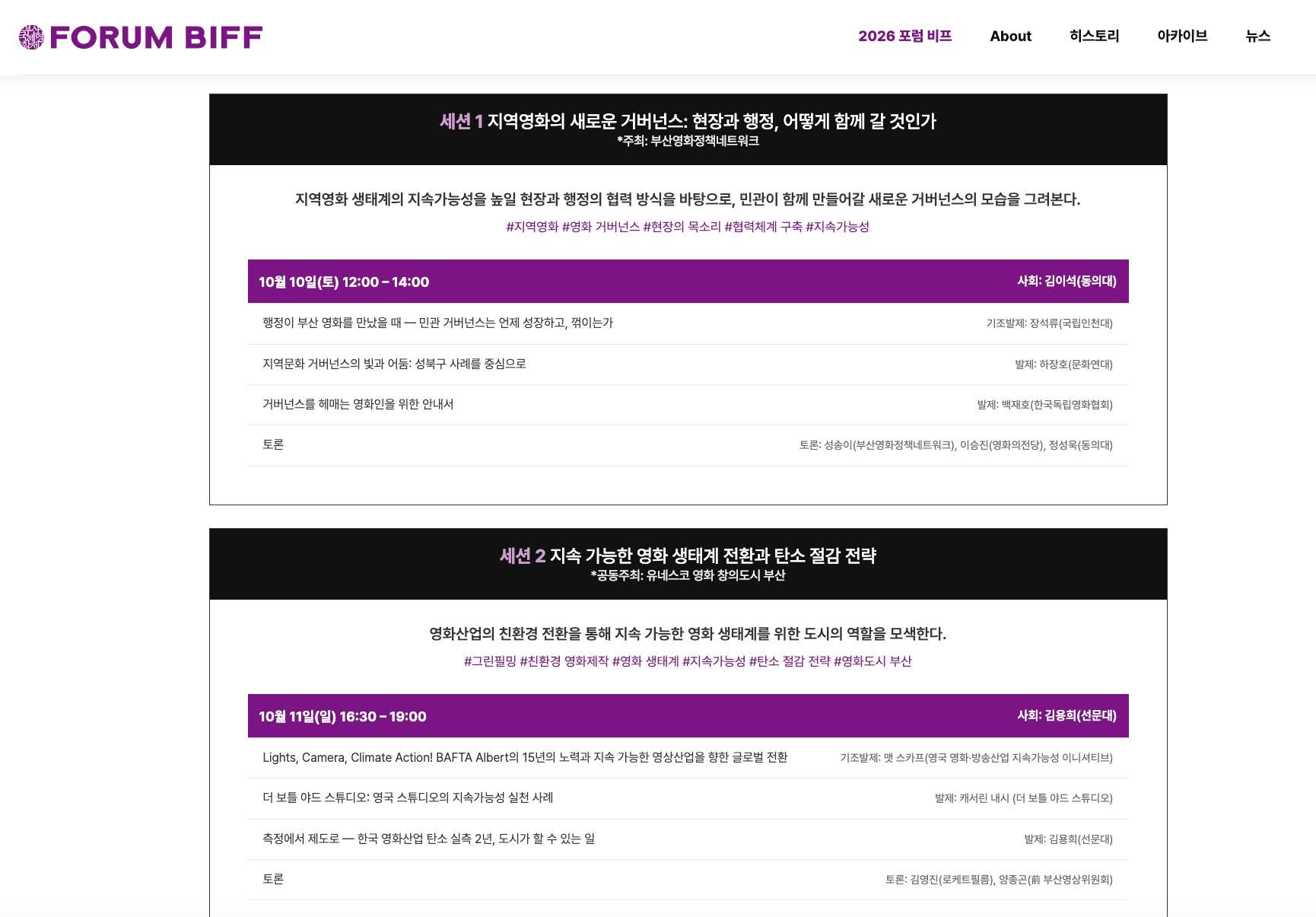
Presentation material and related research
The account follows the 19-page presentation and presentation script. Original Korean slides and event photographs can be enlarged.