2025년 11월 국회 콘텐츠 IP 토론에 참여하며 남긴 견해를 편집한 글입니다.
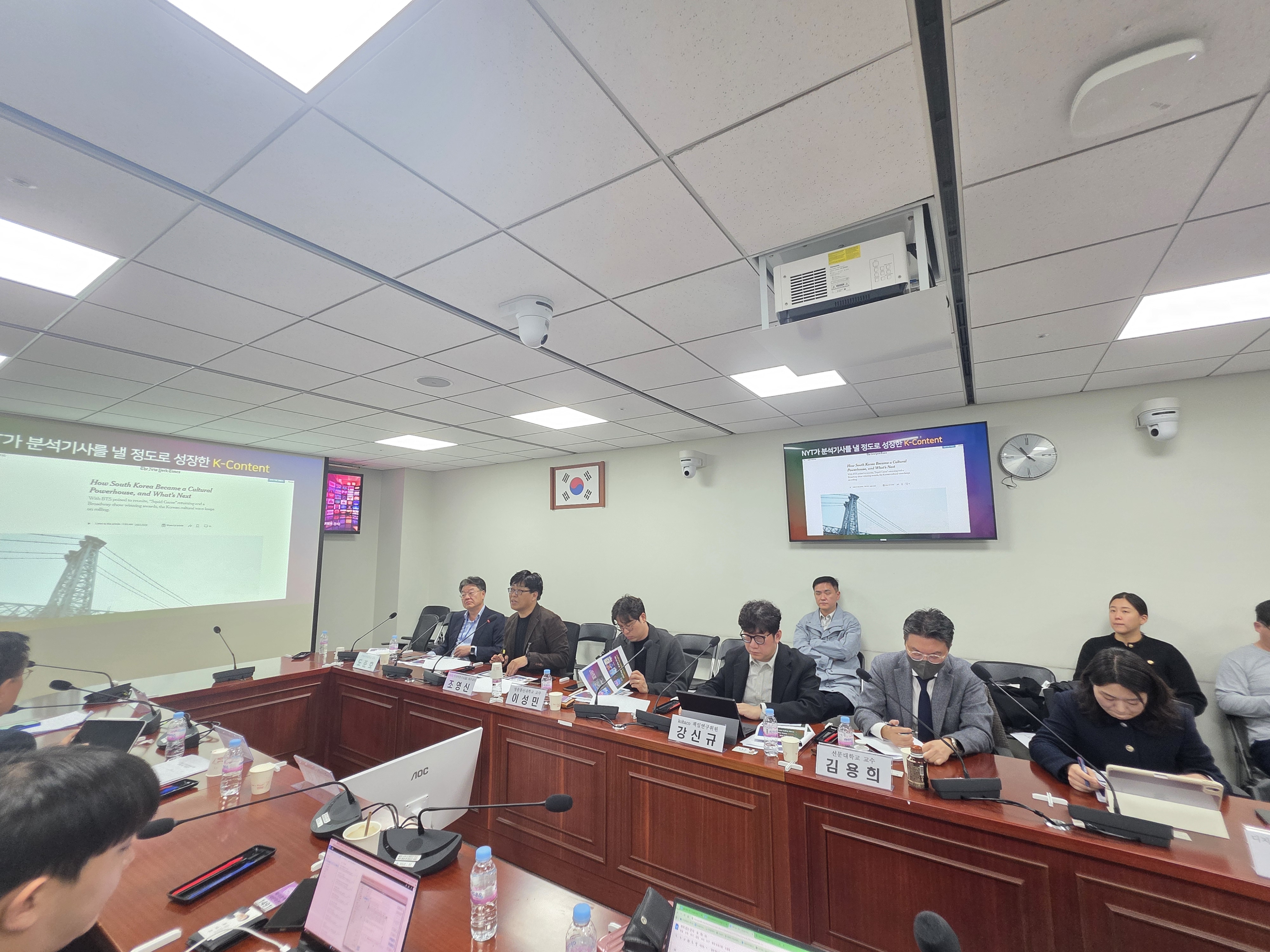
제작 역량과 수익모델은 다른 문제
토론에서 제가 주목한 것은 콘텐츠를 잘 만드는 능력이 국내 제작사의 지속적인 수익으로 이어지는가 하는 문제였습니다. IP의 소유 여부와 확보한 권리를 실제 사업에 활용할 수 있는 능력은 구분해서 보아야 합니다.
소유와 활용 사이의 간극
콘텐츠 IP는 후속 작품, 상품화, 게임, 공연 등 여러 활용 가능성을 열어주는 권리입니다. 그러나 권리를 보유하는 것만으로 이러한 수익이 실현되지는 않습니다. 자금, 사업화 인력, 유통과 마케팅 역량이 함께 필요합니다.
따라서 일부 유명 작품의 계약을 전체 시장의 일반적인 모습으로 단정하기보다, 작품별 계약 유형과 권리 범위, 위험 분담, 수익 배분을 따져야 한다고 생각합니다.
정책에 대한 제안
첫째, 제작·투자·유통 주체가 위험과 수익을 나누는 협력 구조를 검토할 필요가 있습니다. 제작위원회와 공동투자는 가능한 설계안이며, 국내 여건에 맞는 책임과 의사결정 구조가 전제되어야 합니다.
둘째, IP 사업화 전문 인력과 해외 파트너 연결을 지원할 필요가 있습니다. 기존 지원 사업을 연결하고 실제 후속 사업의 성과를 확인하는 방식이 중요합니다.
셋째, 국내 플랫폼과 제작사의 사업 기반을 강화하고, 선별적인 재정 지원이 사업화의 마중물이 될 수 있는지 검토해야 합니다.
목표는 국내 기업의 협상력과 선택지를 넓히면서 글로벌 플랫폼과 협력할 조건을 만드는 것입니다. 이는 이 글에서 제시하는 정책 방향이며, 특정 지원책의 효과가 실증적으로 확정되었다는 의미는 아닙니다.
An edited account of views developed around a National Assembly discussion on content IP in November 2025.
Production capability and revenue models
The question I emphasized was whether the ability to produce successful content translates into sustained revenue for domestic producers. Owning IP and being able to commercialize the rights are distinct issues.
The gap between ownership and use
Content IP opens possibilities for sequels, merchandise, games, performances, and other uses. Ownership alone does not realize those revenues. Financing, commercial expertise, distribution, and marketing also matter.
Rather than treating contracts for a few prominent titles as representative of an entire market, I believe analysis should examine each agreement’s rights, allocation of risk, and revenue-sharing arrangements.
Policy proposals
First, collaboration among producers, investors, and distributors could share risks and returns. Production committees and co-investment are possible designs, subject to suitable governance and accountability.
Second, policy could support commercialization skills and connections with international partners. Linking existing programs to measurable follow-on business outcomes is important.
Third, stronger domestic platforms and production businesses could provide more options. Selective financial support warrants examination as an initial catalyst for commercialization.
The aim is to broaden domestic firms’ negotiating capacity and choices while enabling cooperation with global platforms. These are policy proposals, rather than demonstrated effects of a particular support program.